
- Home
- Procedures
- Liposuction
- Liposuction in Dubai
Liposuction in Dubai
Dr. Sanjay Parashar performs liposuction in Dubai with a plan built around your anatomy and your goals. Liposuction is a surgical procedure that removes localized fat deposits that have not responded to diet and exercise. It reshapes body contours, and it is not a treatment for weight loss.
About liposuction in Dubai
Dr. Sanjay plans each liposuction around the patient’s proportions and goals. It is commonly used on the abdomen, flanks, thighs, arms, back and neck. Fat cells removed from a treated area do not grow back there, but the result depends on keeping a stable weight, and results vary from person to person.
Whether you want to refine one area or several, the first step is a consultation, where Dr. Sanjay examines you and explains what liposuction can and cannot achieve in your case.
Read more about Dr. Sanjay’s training and experience, or contact the clinic to plan your liposuction.
Real results
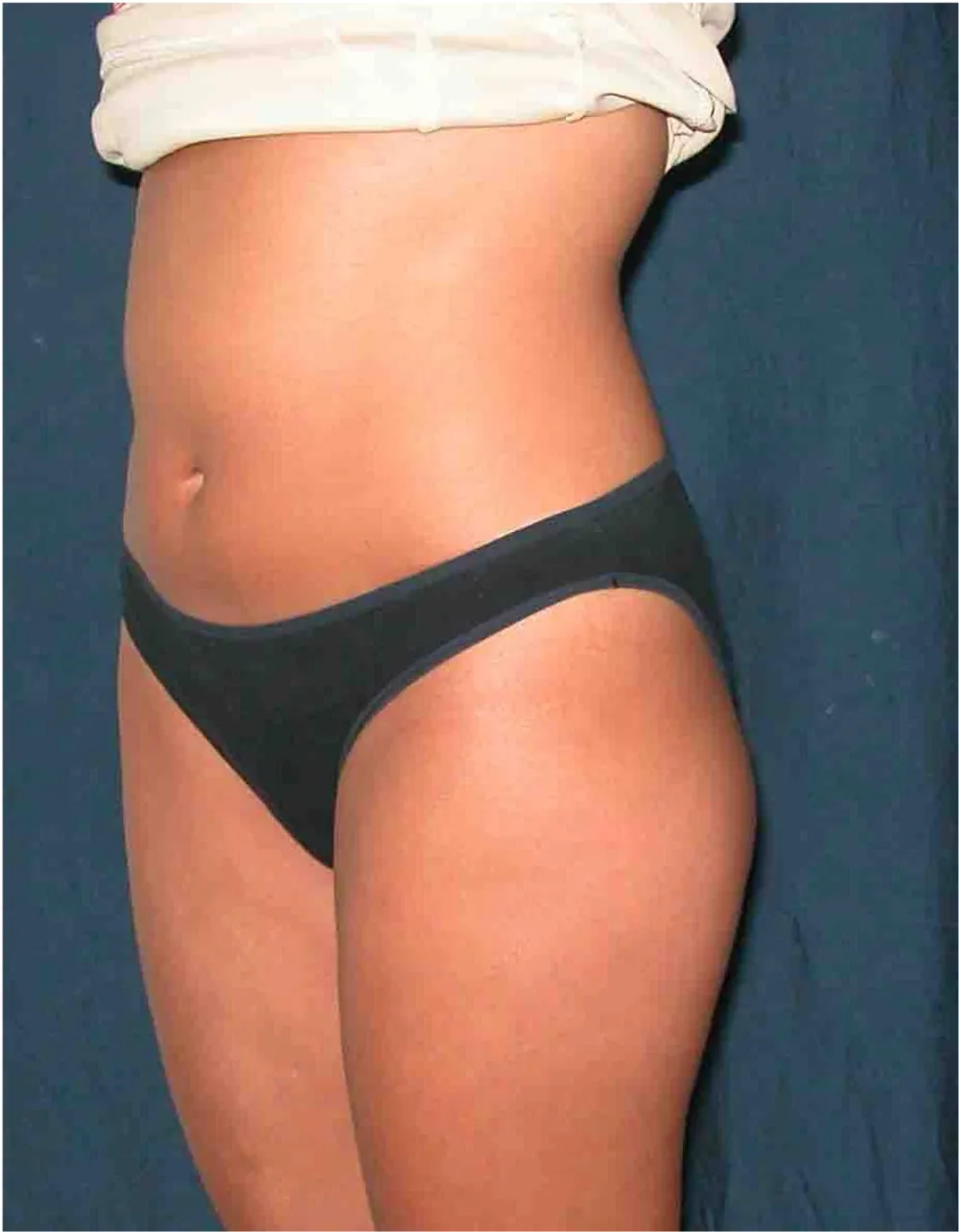 Before
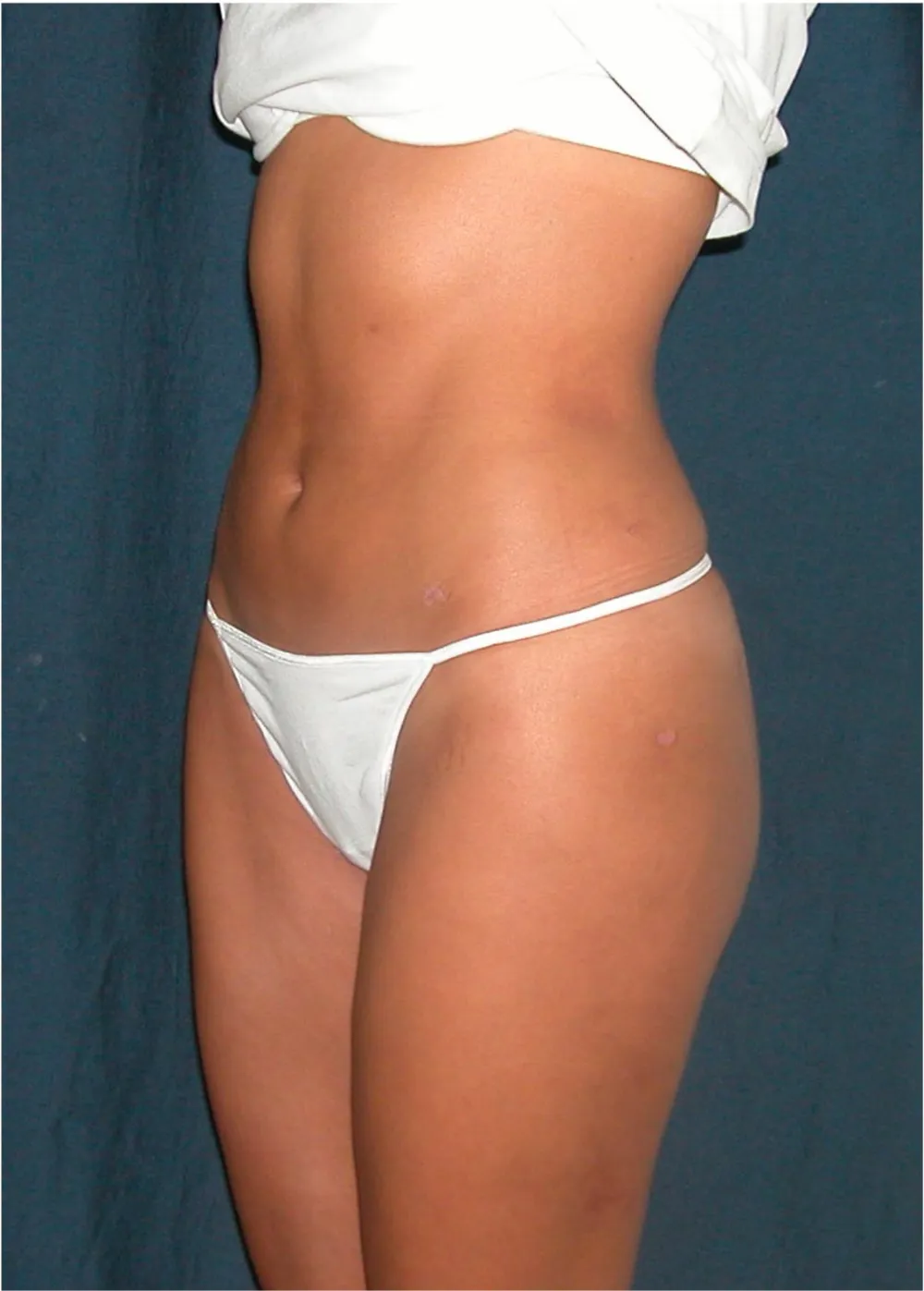 After
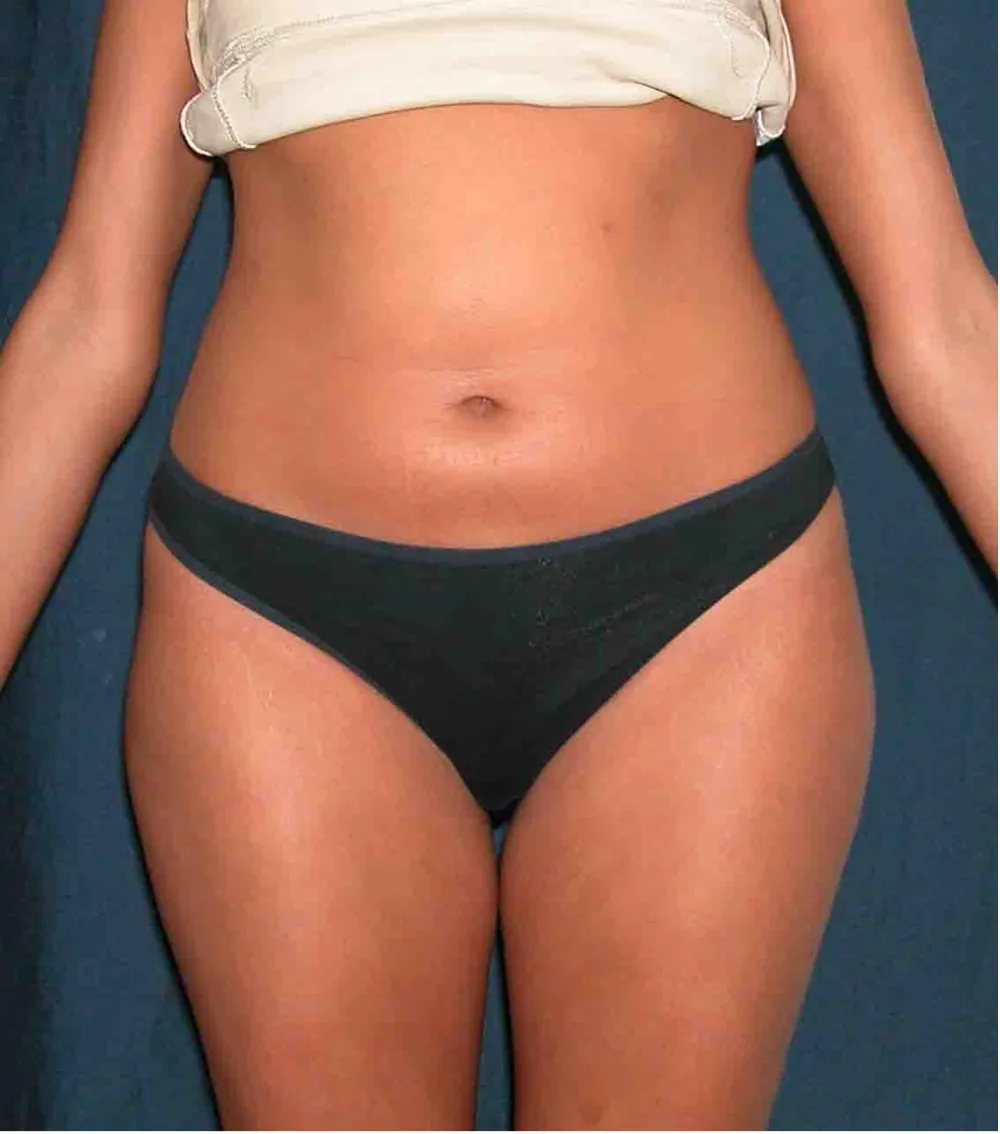 Before
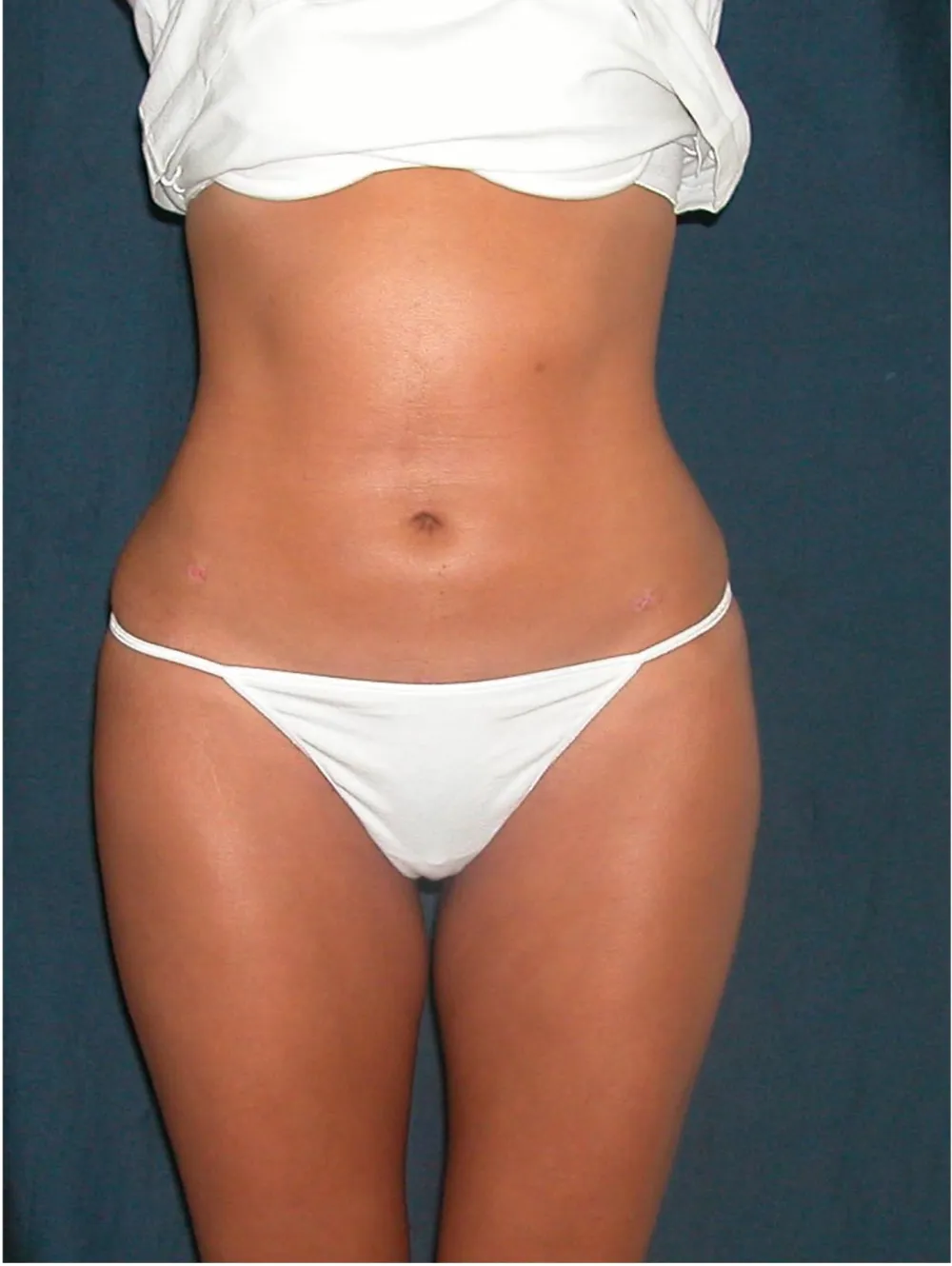 After
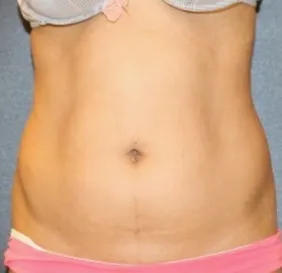 Before
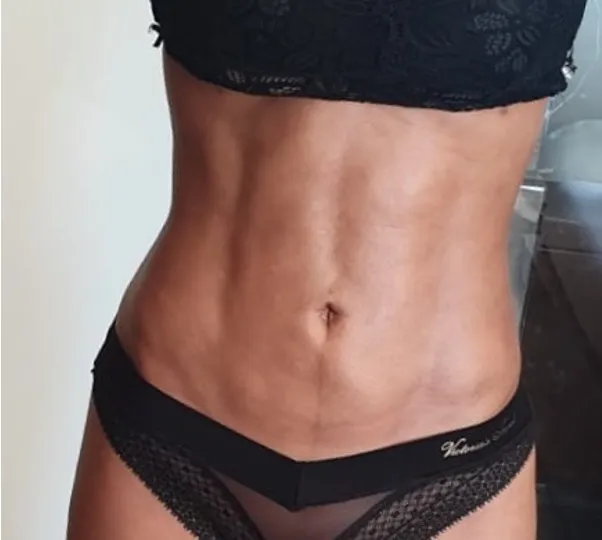 After
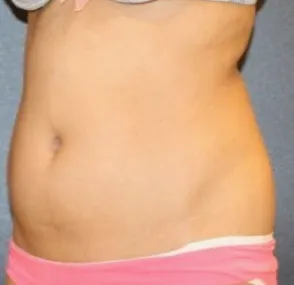 Before
 After
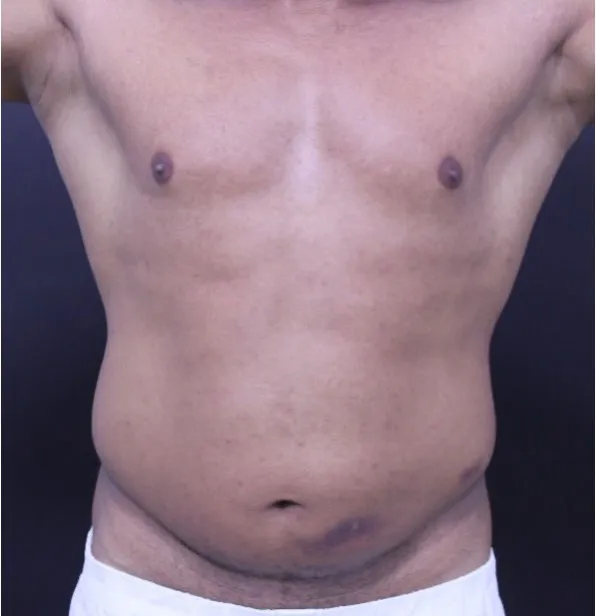 Before
 After
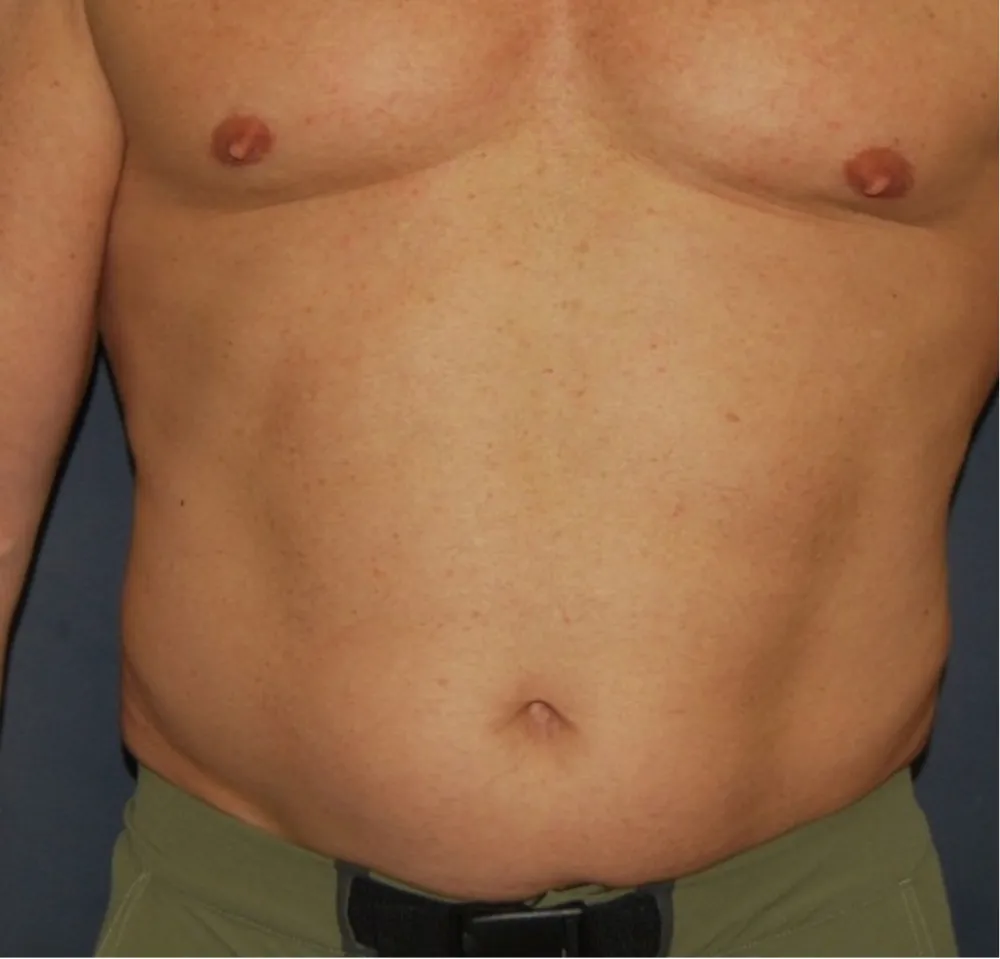 Before
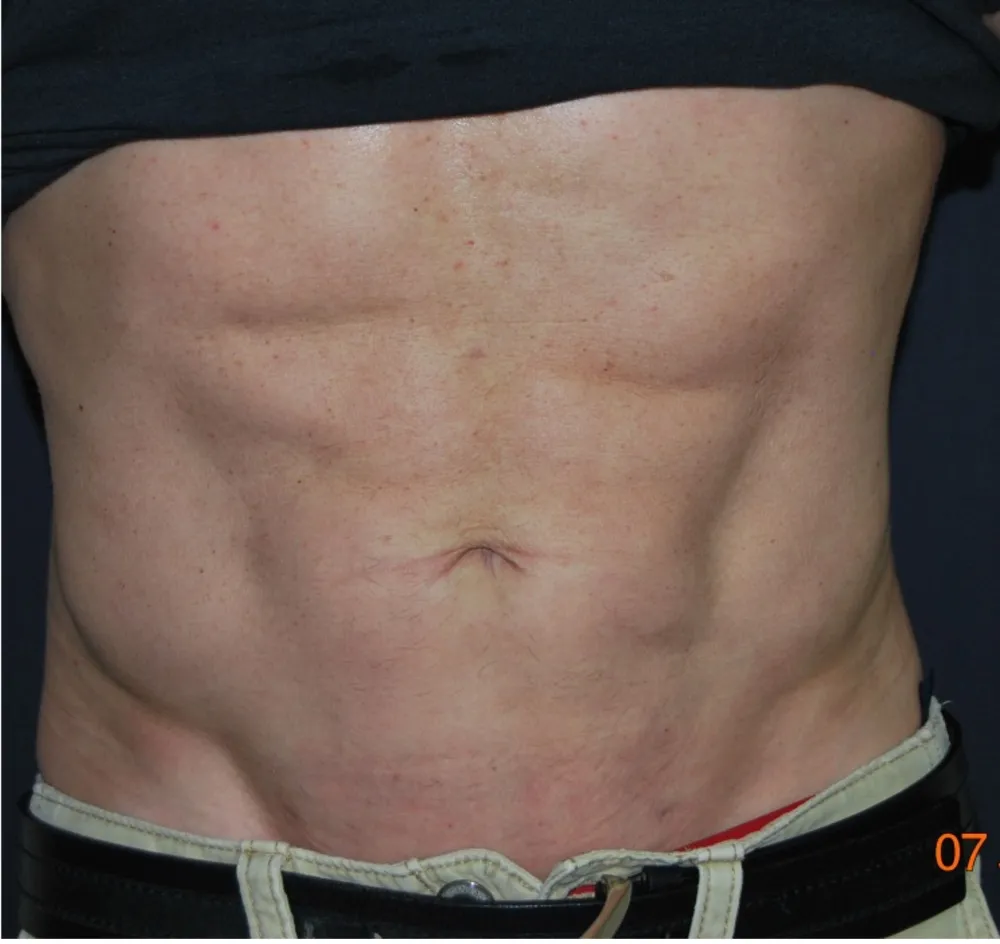 After
See more results
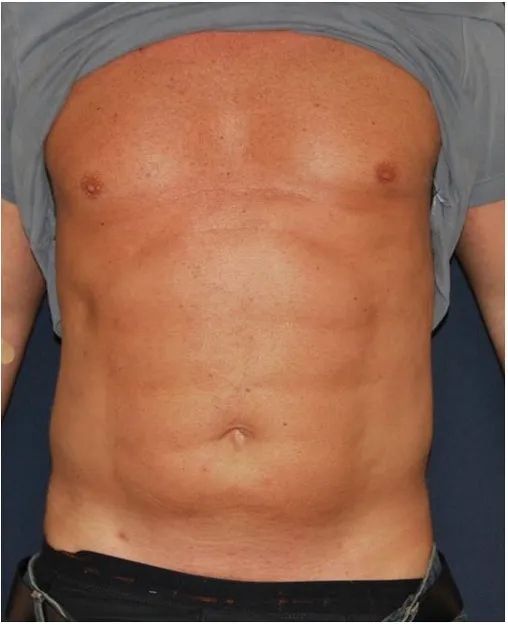 Before
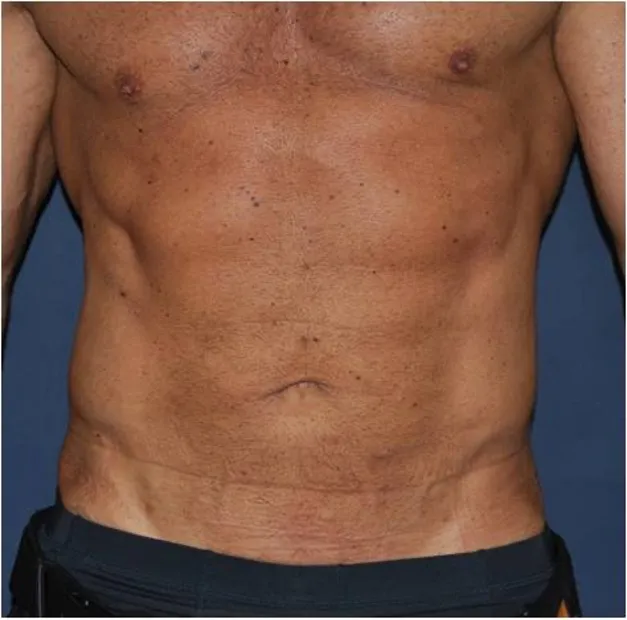 After
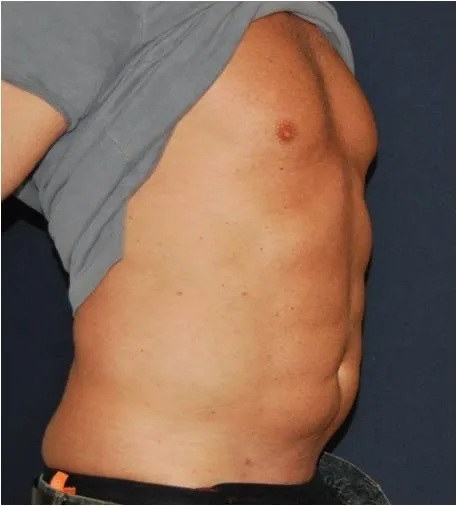 Before
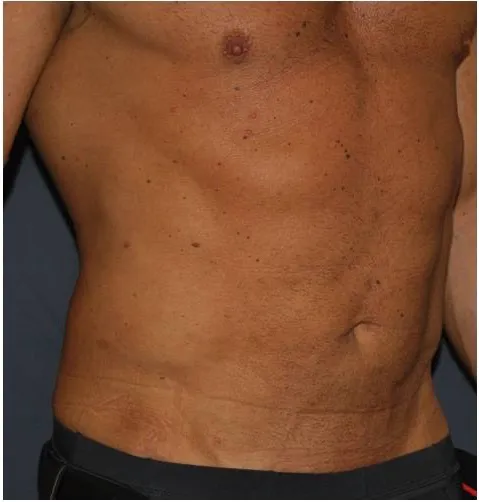 After
There is no guarantee that the result will be the same, as it might vary from one individual to another. Surgery carries risks, including bleeding, infection, scarring and anesthesia risks, which Dr. Sanjay explains in detail at your consultation. Photographs are from Dr. Sanjay’s practice.
Types of liposuction
Several techniques can be used for liposuction, and the choice depends on the area, the amount of fat and your skin:
- Tumescent liposuction: a saline solution is infiltrated into the treatment area before the fat is removed, which helps with comfort and fat removal.
- Laser-assisted liposuction: uses laser energy to help loosen the fat before it is removed.
- Ultrasound-assisted liposuction (such as VASER): uses ultrasound energy to loosen the fat before it is removed, and is sometimes chosen for more detailed contouring.
Dr. Sanjay performs both VASER and laser-assisted liposuction. The right technique depends on your anatomy, your goals and the clinical assessment, and he discusses the available options and recommends a suitable technique at your consultation.
Who is a suitable candidate for liposuction?
Liposuction is usually considered for adults who are close to a stable weight and in good general health, and who have localized fat that resists diet and exercise. It is generally suited to people who:
- Have pockets of fat in specific areas rather than general excess weight.
- Have reasonably firm skin that can follow the new shape.
- Are in good general health.
- Have realistic expectations about what liposuction can and cannot achieve.
If loose skin is the main concern, another operation, such as a tummy tuck or an arm lift, may suit you better, and in some cases liposuction is combined with surgery, as in lipo abdominoplasty. This is judged at your consultation.
Liposuction by area
Liposuction can be planned for one area or for several together. These pages cover the main areas in more detail:
- Abdomen liposuction and waist and flanks
- Back liposuction
- Thigh liposuction
- Chin and neck liposuction
- Six-pack liposuction
- Full-body liposuction
For the arms, liposuction suits people whose skin is firm. If loose skin is the main concern, read about the arm lift.
How liposuction works
Liposuction can be performed under general or local anesthesia, depending on the treatment area and the amount of fat to be removed. Here’s how the procedure works:
- Consultation and Marking: Before the surgery, Dr. Sanjay will assess your body, discuss your aesthetic goals, and mark the areas to be treated.
- Anesthesia: The procedure begins with the administration of anesthesia to make sure your comfort throughout the surgery.
- Fat Removal: Small incisions are made in discreet areas near the treatment zone, and a thin cannula is inserted to break up and suction out fat deposits. The process involves precise movements to contour and sculpt the body.
- Completion: After the fat removal is complete, the incisions are closed, and a compression garment is applied to help reduce swelling and support healing.
Preparation Before Surgery
Proper preparation is essential for a smooth liposuction procedure and recovery. Here are the key steps to take:
- Medical Evaluation: A full medical assessment is needed to check that liposuction is suitable for you. This may involve blood tests and a review of your medical history.
- Medications: Discuss all the medications you take with your treating surgeon before the procedure, and do not stop any prescribed medication without medical guidance.
- Healthy Lifestyle: Stay hydrated and maintain a balanced diet to support your body’s readiness for surgery.
What Happens Inside the Surgery Room?
During liposuction surgery, the following steps are usually performed:
- Anesthesia Administration: Depending on the extent of the procedure, local or general anesthesia may be used.
- Incisions and Fat Removal: Dr. Sanjay makes small incisions near the treatment areas. A cannula is then used to break up and remove excess fat, contouring the body.
- Closing the Incisions: The incisions are small and are usually closed with sutures. Compression garments are usually applied after surgery to aid healing and reduce swelling.
Aftercare and Safety Guidelines
To support healing after liposuction, follow these guidelines:
- Wear Compression Garments: You will usually be asked to wear compression garments for several weeks to help reduce swelling and support the new body contours.
- Avoid Strenuous Activities: For the first few weeks, or for as long as your surgeon advises, avoid heavy lifting, vigorous exercise, or any activity that strains the treated areas.
- Medications: You may be prescribed pain relief medications and antibiotics. Follow your surgeon’s instructions carefully.
- Post-Op Care: Keep the incisions clean and dry, and follow all aftercare instructions provided by Dr. Sanjay. Follow-up visits are usually scheduled to monitor your progress.
Recovery Period
Liposuction recovery is a gradual process. Here’s what you can expect:
- First Week: Swelling and bruising are common, and many patients can resume light activities within a few days.
- Two to Four Weeks: Swelling begins to subside, and you may start to see the first results. Light activities can usually be resumed, but avoid intense exercise.
- Three to Six Months: Full recovery can take this long, and the final result becomes more evident as swelling resolves and your body adjusts to its new contours. Timelines vary from person to person.
Scarring and limitations
Liposuction leaves small scars at the incision sites, which are placed in discreet areas near the treated zone. They usually fade over time, although how they heal varies from person to person.
Liposuction has limits. It does not tighten loose skin, it is not a weight-loss treatment, and the amount of fat that can be removed safely in one session is limited. Results vary, swelling takes months to settle, and the result is most likely to last when your weight stays stable.
Risks and complications
Liposuction is surgery, and every operation carries risks. Possible risks include bleeding, infection, a collection of fluid under the skin, uneven contours or irregularities, changes in skin sensation, scarring, blood clots in the legs (deep vein thrombosis) and reactions to anesthesia. An unstable weight and some medical conditions raise these risks.
Dr. Sanjay reviews your medical history beforehand and explains the risks that apply to you in detail before you decide.
How much does liposuction cost in Dubai?
The cost of liposuction in Dubai depends on your individual surgical plan, so there is no single price that applies to everyone. The pricing, what it includes and whether you need a hospital stay are all set by that plan. These are the main factors:
- Areas treated and amount of fat: Treating more areas, or removing more fat, changes the plan and the operating time.
- Technique: The technique chosen for your body is part of the plan.
- Anesthesia: The type of anesthesia and the anesthesia team’s fees are part of the total.
- Facility costs: The operating theatre, nursing care and any hospital stay depend on the facility and on your surgical plan.
- Combined procedures: Adding another operation, such as a tummy tuck, changes the plan.
- Postoperative care: Compression garments, medication and follow-up visits are needed during healing, and depending on the plan they may be included in the cost or charged separately.
When you compare costs, ask what is and is not included. An accurate figure is possible only after an individual consultation, once Dr. Sanjay has examined you and your surgical plan is agreed. Request a consultation to discuss your own case.
Liposuction FAQs
How much does liposuction cost in Dubai?
The cost depends on your individual surgical plan: the areas treated and the amount of fat, the technique, the anesthesia, the facility and any hospital stay, and the follow-up care you need. An accurate figure is possible only after a consultation and examination.
What types of liposuction are there?
Both VASER (ultrasound-assisted) and laser-assisted liposuction are offered here, and other techniques such as tumescent liposuction may also be used. The right technique depends on your anatomy, your goals and the clinical assessment, and a suitable one is recommended at your consultation.
Who is a suitable candidate for liposuction?
Liposuction is usually suited to adults at a stable weight, in good general health, with localized fat that resists diet and exercise and reasonably firm skin. This is confirmed by an in-person examination.
Is liposuction a weight-loss treatment?
No. Liposuction reshapes specific areas. It is not a way to lose a large amount of weight, and a stable, healthy weight supports the result.
How long do liposuction results last?
Fat cells removed from a treated area do not grow back there, so the result can last for many years. Your shape can still change if your weight changes, so a stable weight and a healthy lifestyle matter.
How much fat can be removed?
The amount that can be removed safely depends on your body type, the areas being treated and whether other surgery is combined. Safety limits apply, and the plan for your case is set at your consultation.
Can liposuction treat several areas at once?
Yes, several areas, such as the abdomen, thighs and flanks, can often be treated in one session. The plan is based on your goals and on what is safe for you.
Is liposuction painful?
You are under anesthesia during the procedure, so you should not feel pain during it. Afterwards you may have discomfort, swelling and bruising, which can usually be managed with prescribed medication.
How long is liposuction recovery?
Many patients return to light activities within a few days, and swelling settles over the following weeks. Full recovery and the final result can take three to six months, and timelines vary from person to person.
Where to start
Every plan begins with a private conversation about your goals, your health and what to expect. Contact us to arrange your consultation with Dr. Sanjay.
Further reading
The American Society of Plastic Surgeons publishes independent, general information about this procedure: read the overview.