

- Home
- Procedures
- Body Contouring
- Tummy Tuck in Dubai
Tummy Tuck in Dubai
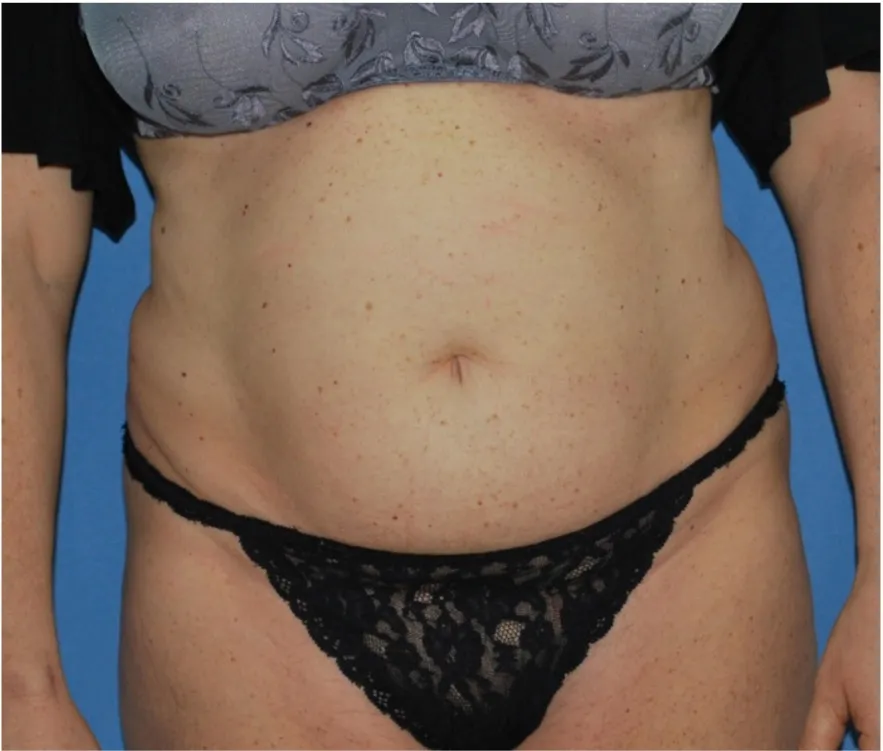
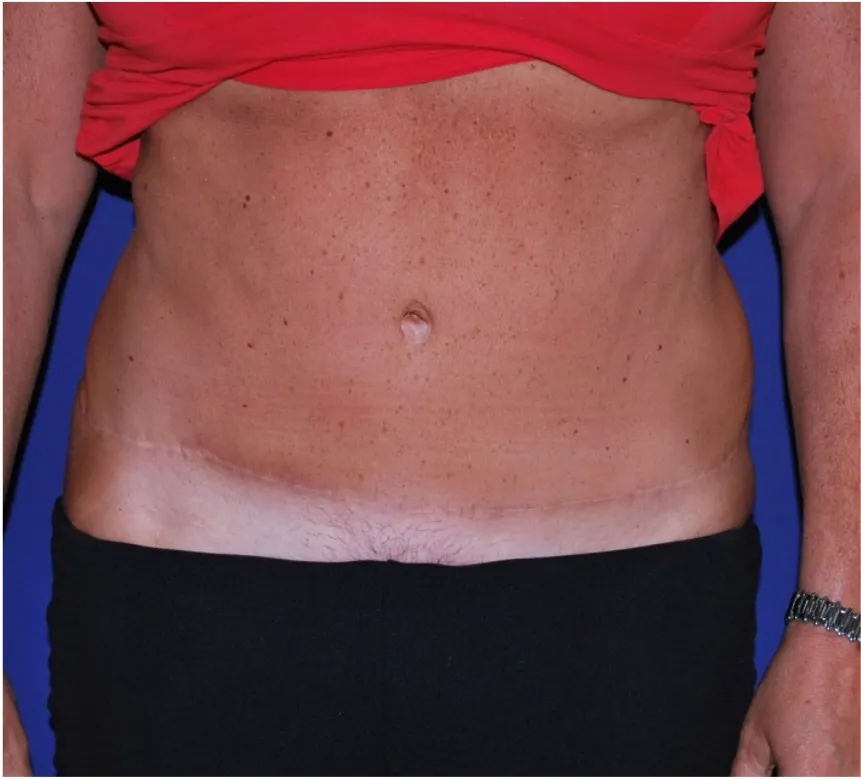
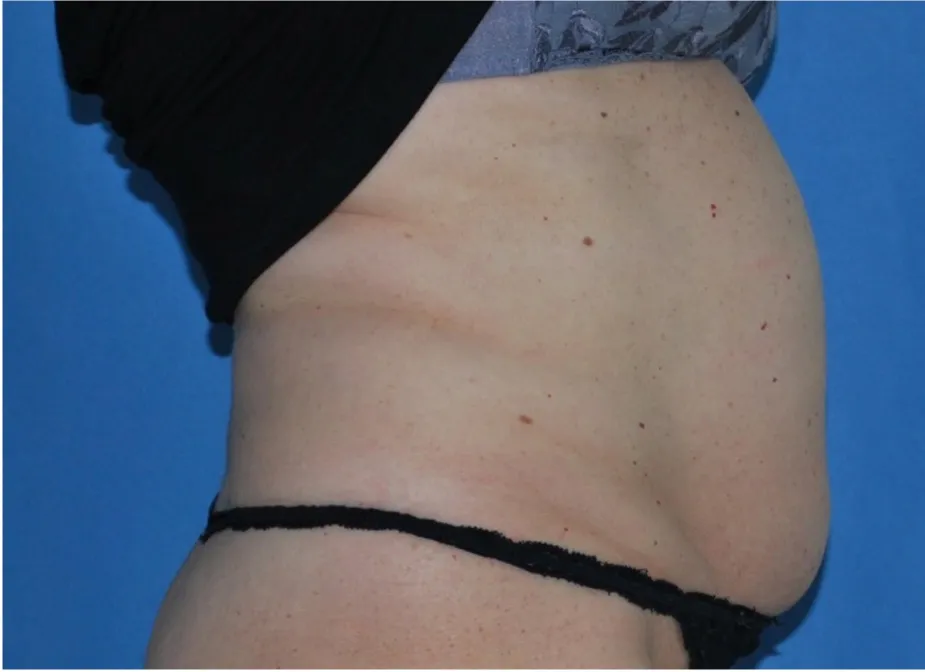
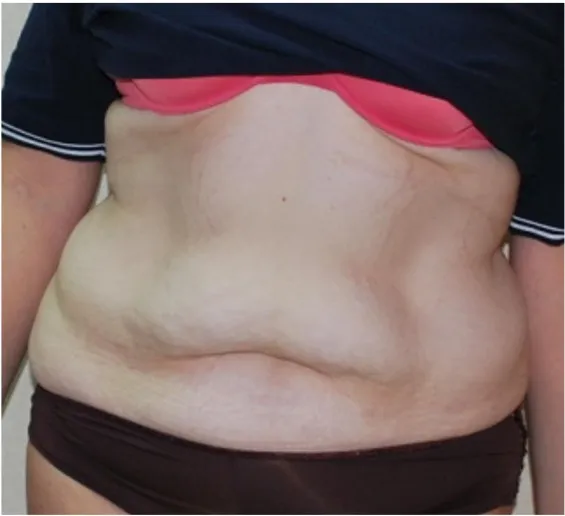
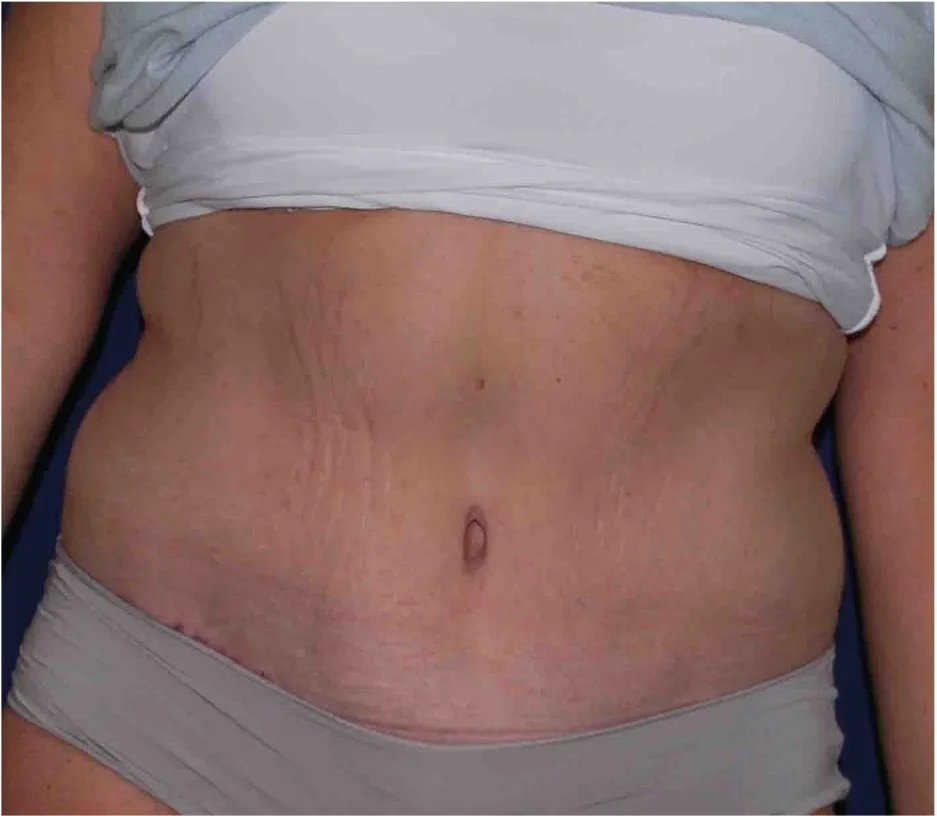
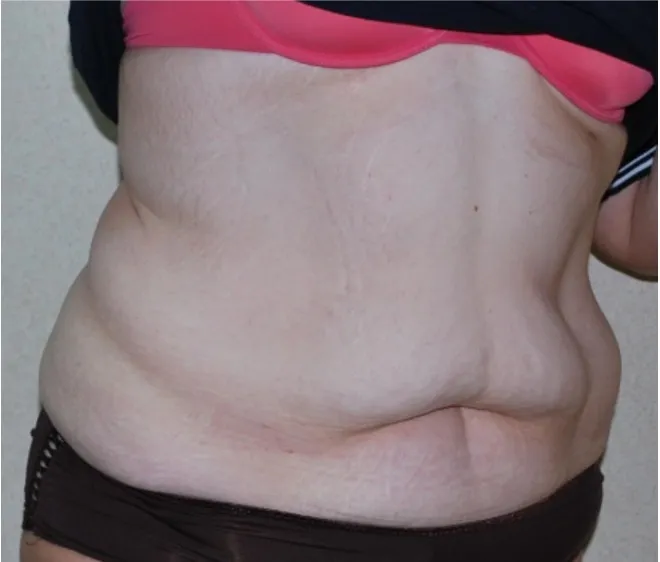
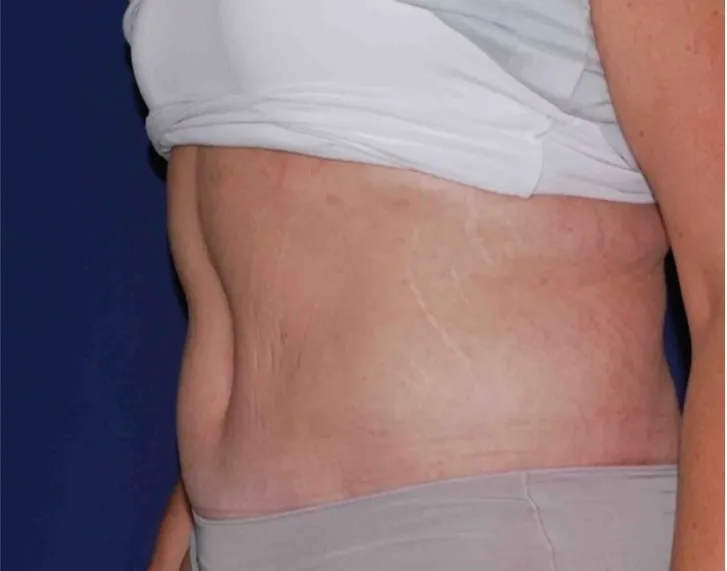
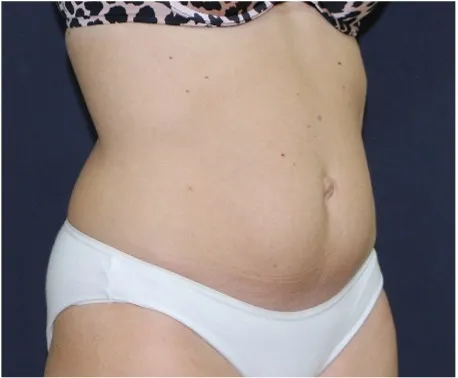
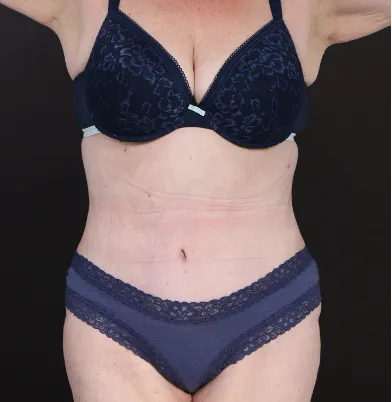
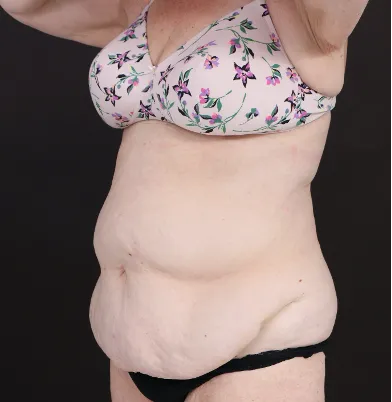
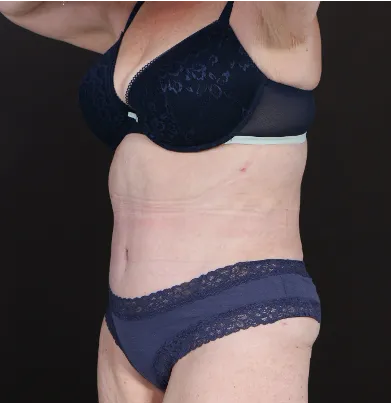
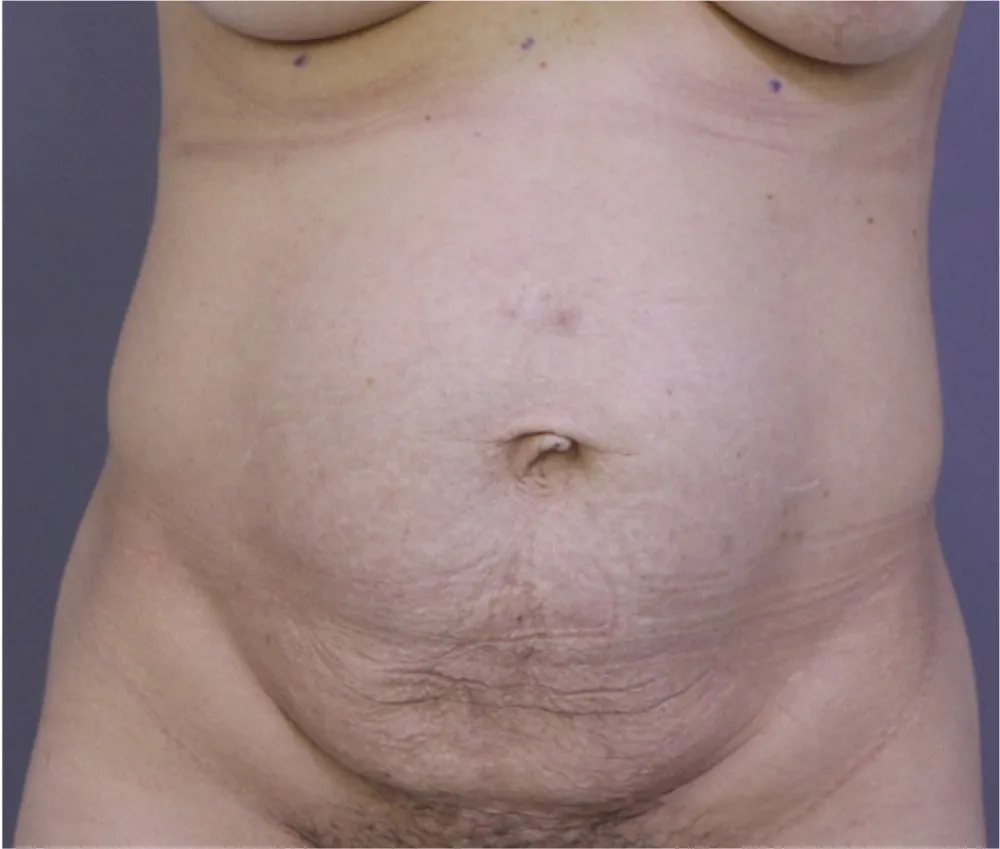
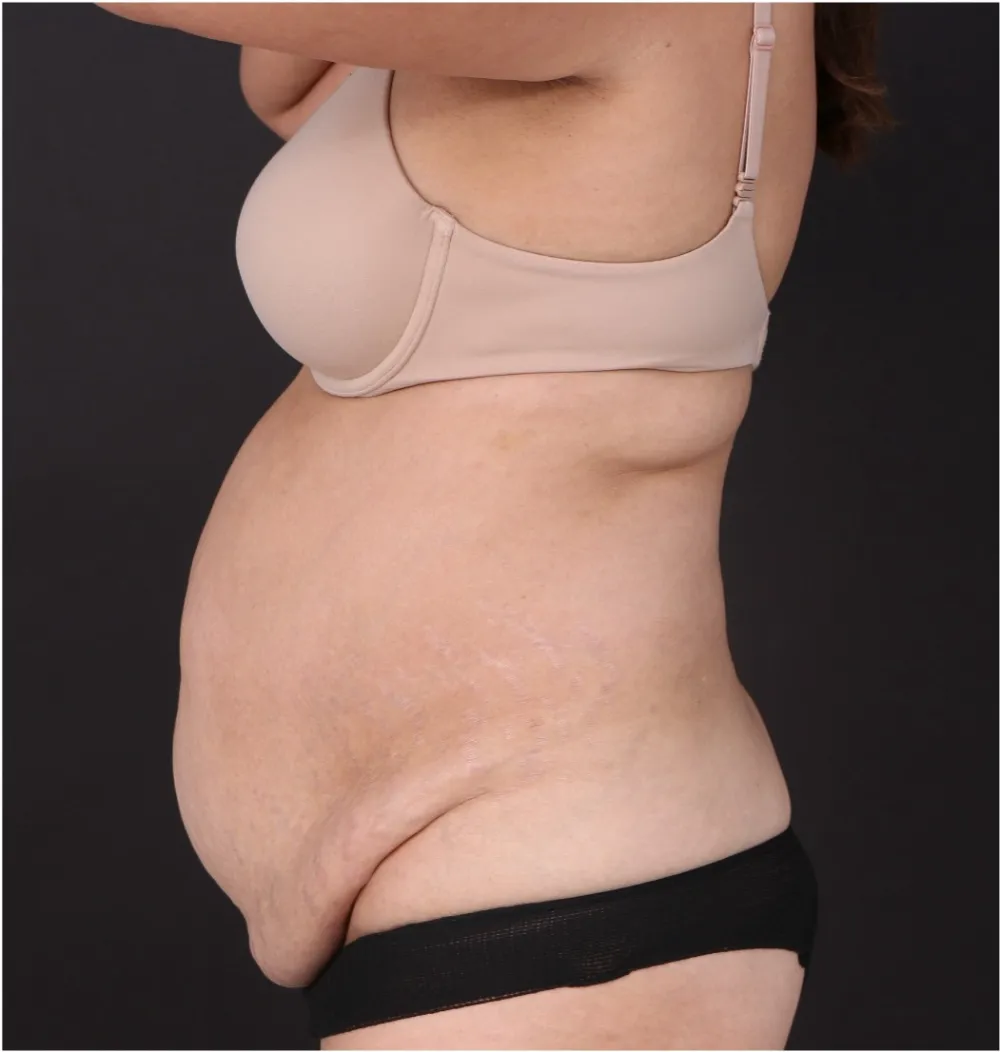
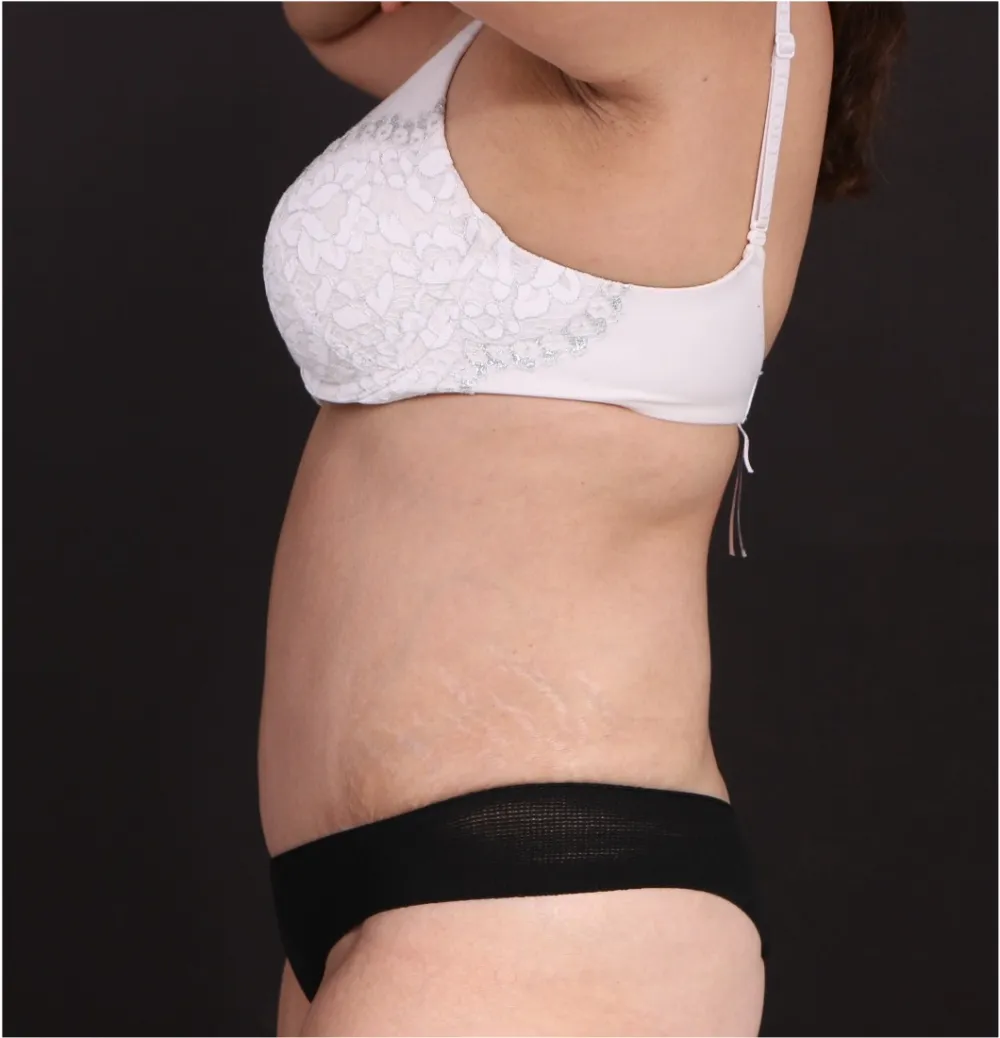
Dr. Sanjay Parashar performs tummy tuck in Dubai with a plan built around your anatomy and your goals. A Tummy Tuck in Dubai, also known as abdominoplasty, is a surgical procedure that removes excess skin and some fat from the abdomen and tightens the abdominal muscles. It is most often considered by people with loose skin or weakened abdominal muscles after major weight loss or pregnancy. The operation reshapes the waistline for a firmer, flatter profile, and results vary from person to person.
About tummy tuck in Dubai
Dr. Sanjay is a consultant plastic and reconstructive surgeon with over 30 years of experience. Before you decide on tummy tuck surgery, he examines you, explains what abdominoplasty can and cannot achieve in your case, and plans the technique around your anatomy and your goals.
Read more about Dr. Sanjay’s training and experience, or contact the clinic to plan your tummy tuck.
Real results
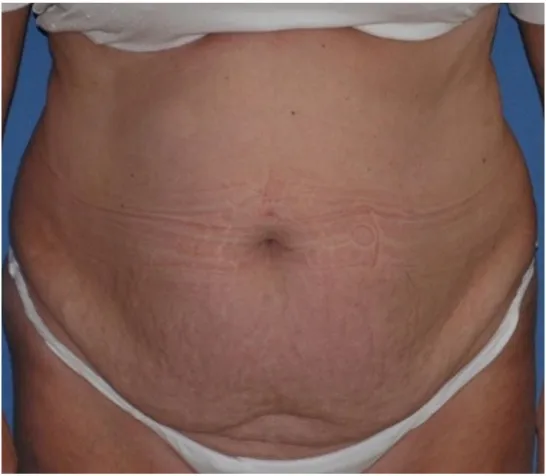 Before
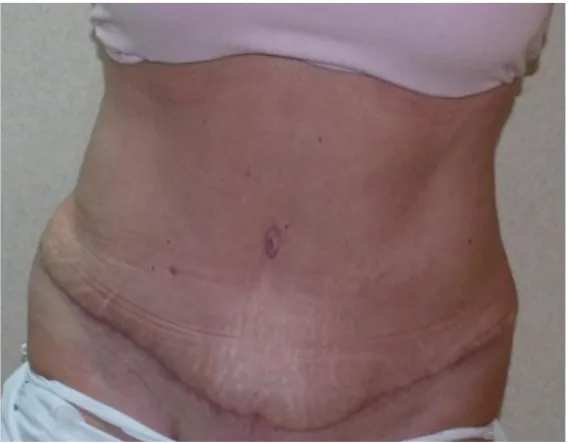 After
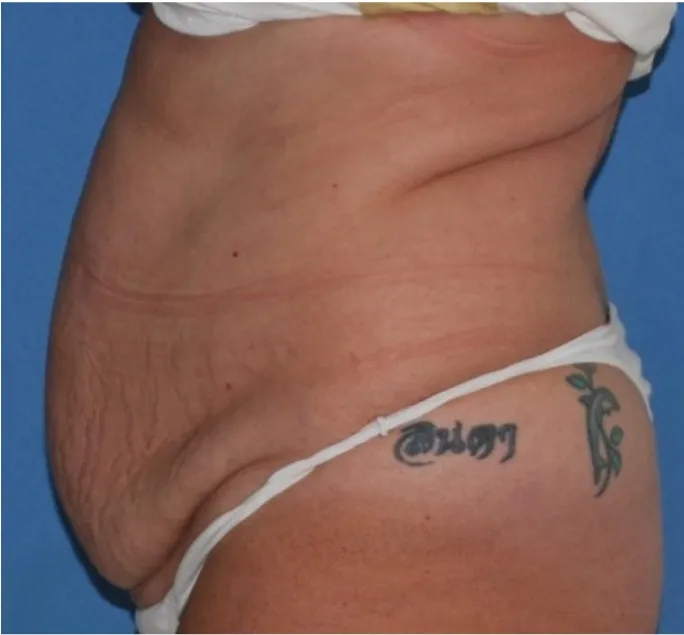 Before
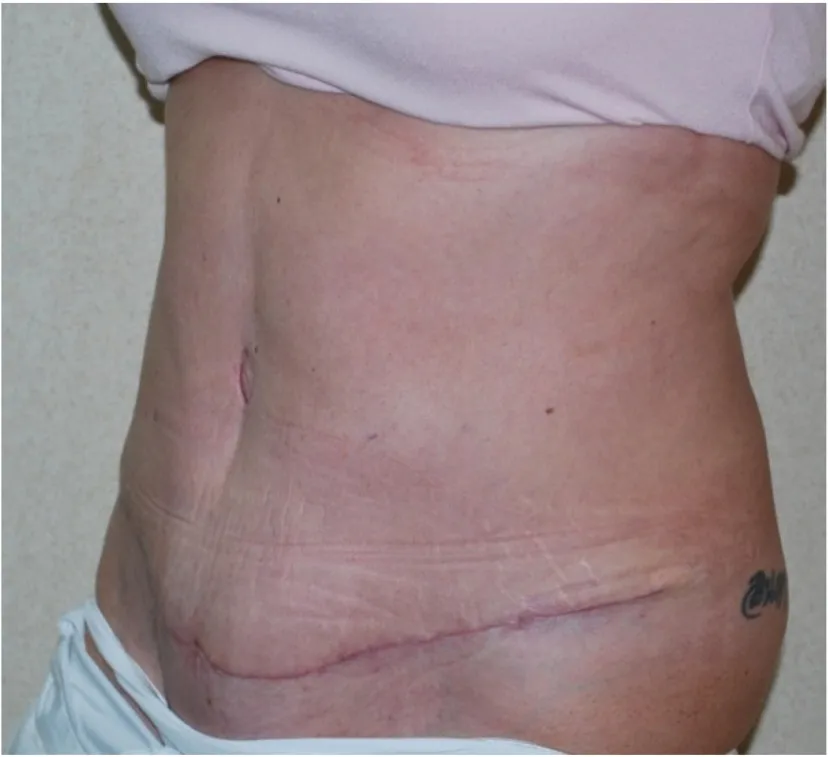 After
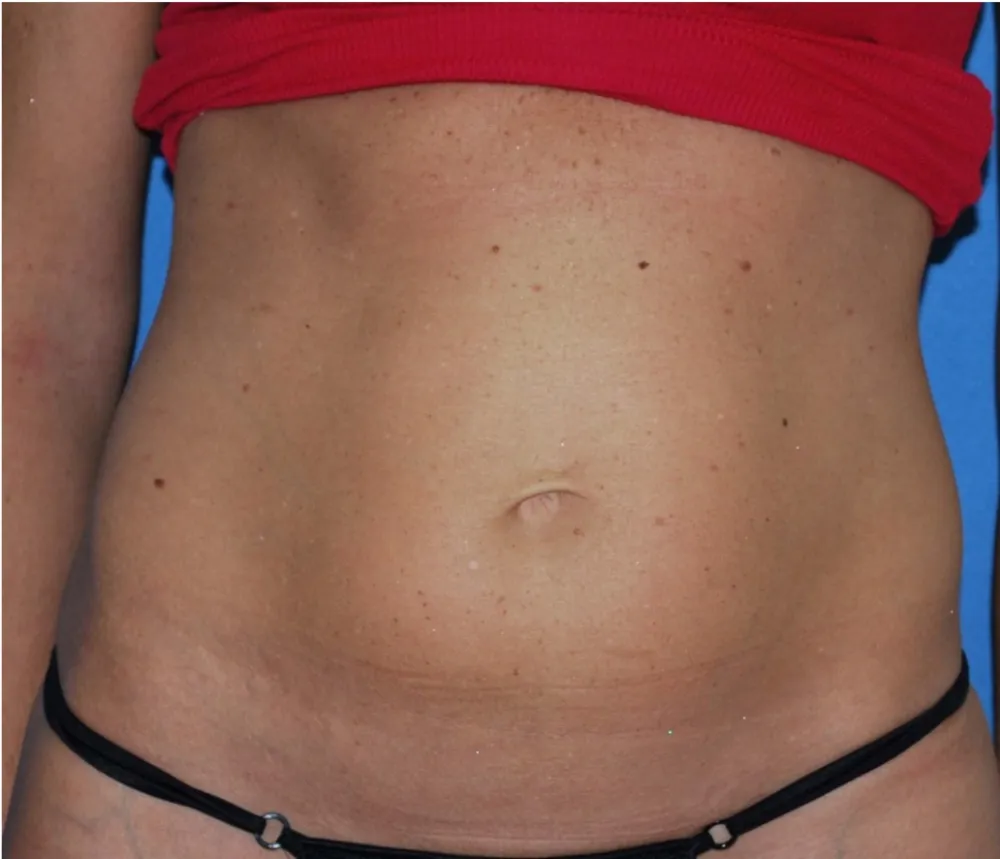 Before
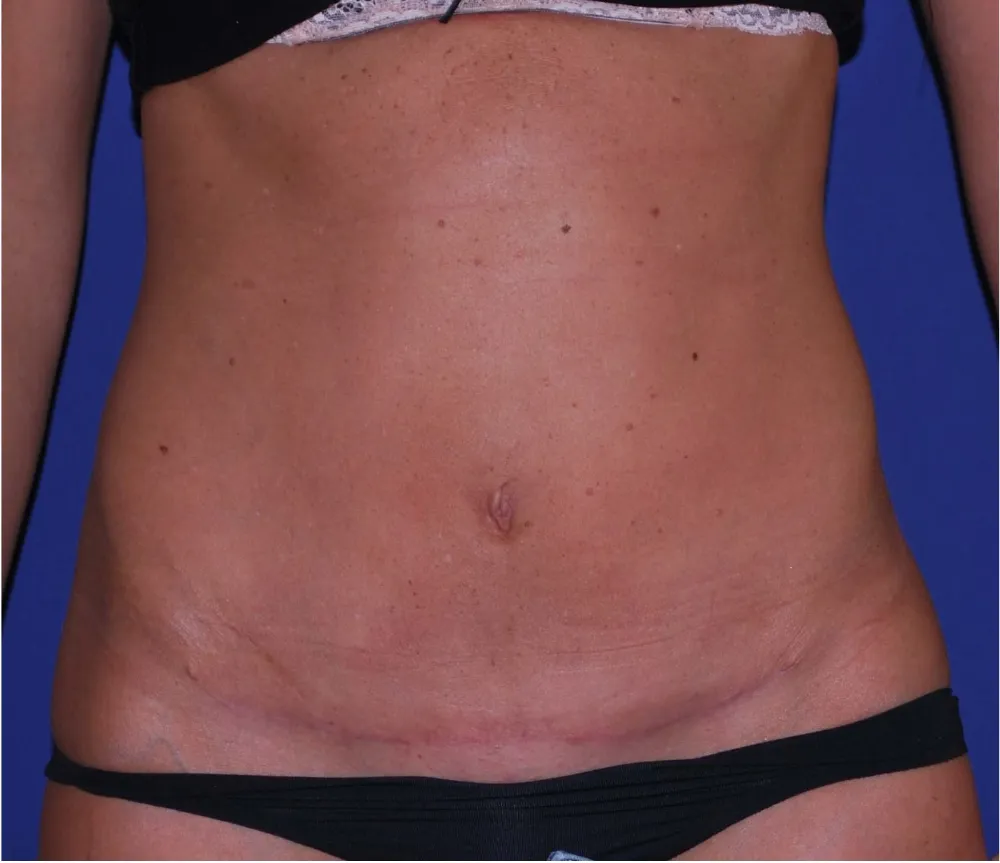 After
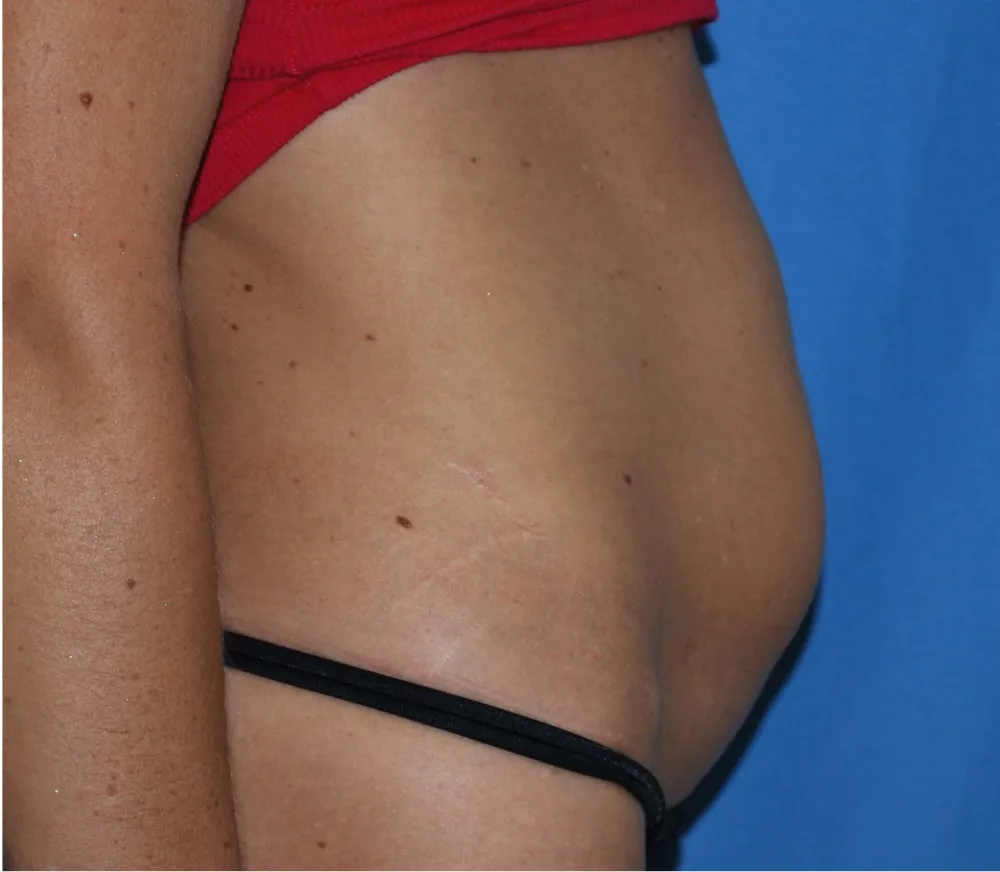 Before
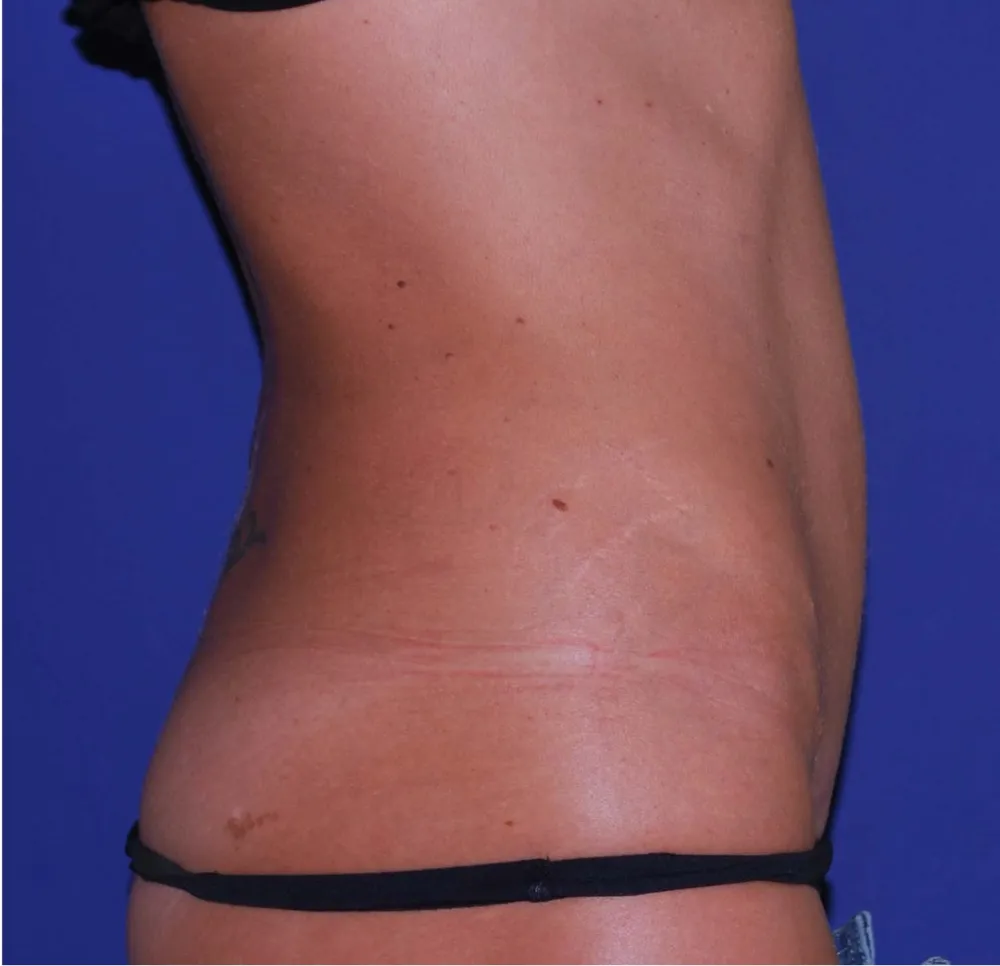 After
 Before
 After
 Before
 After
See more results
 Before
 After
 Before
 After
 Before
 After
 Before
 After
 Before
 After
 Before
 After
 Before
 After
 Before
 After
 Before
 After
 Before
 After
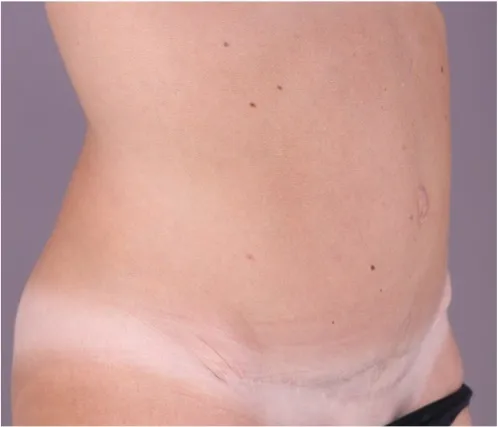
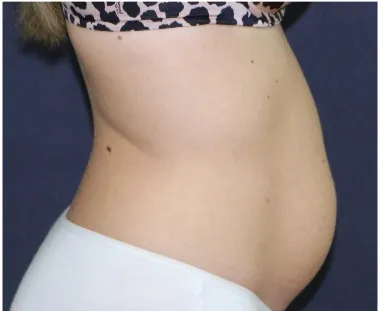
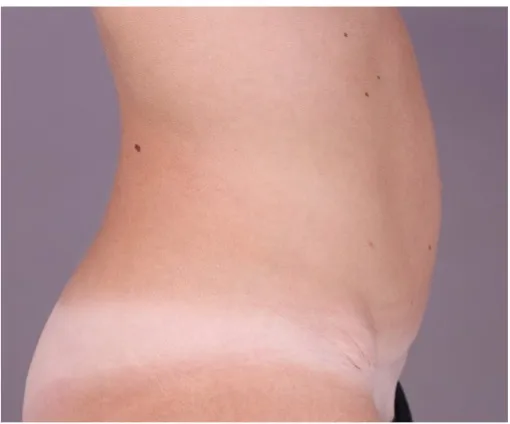
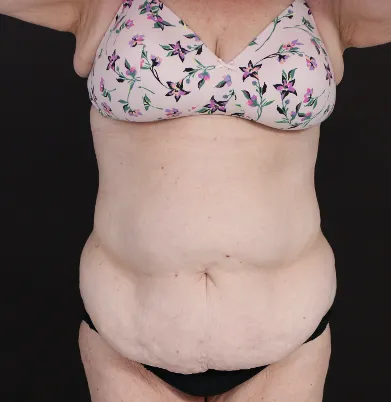
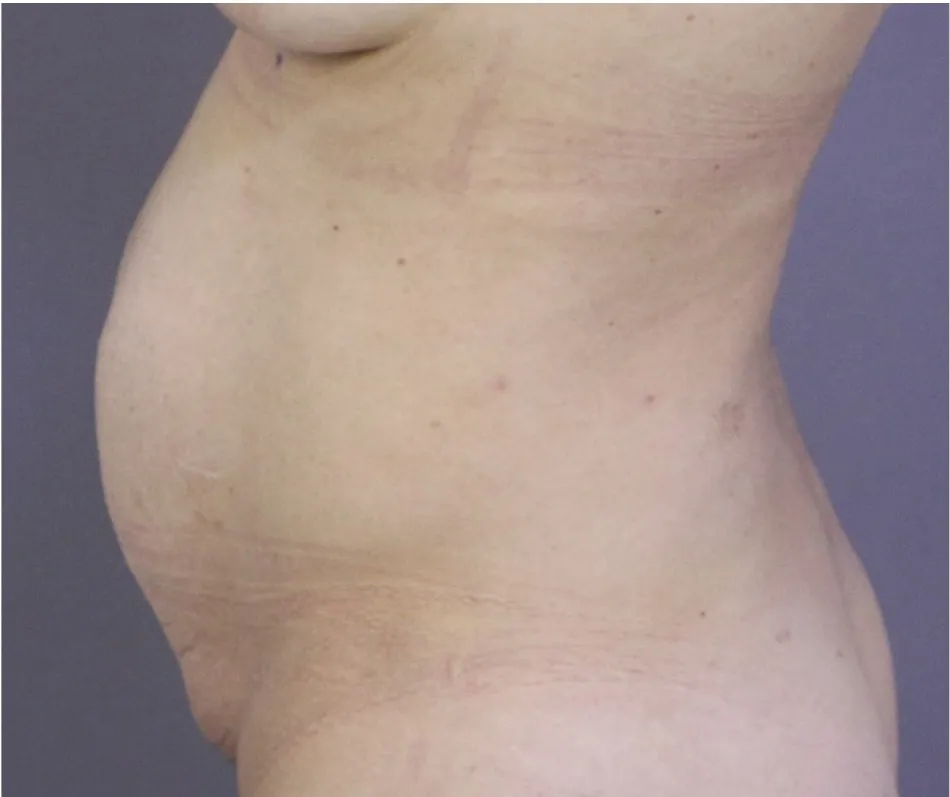
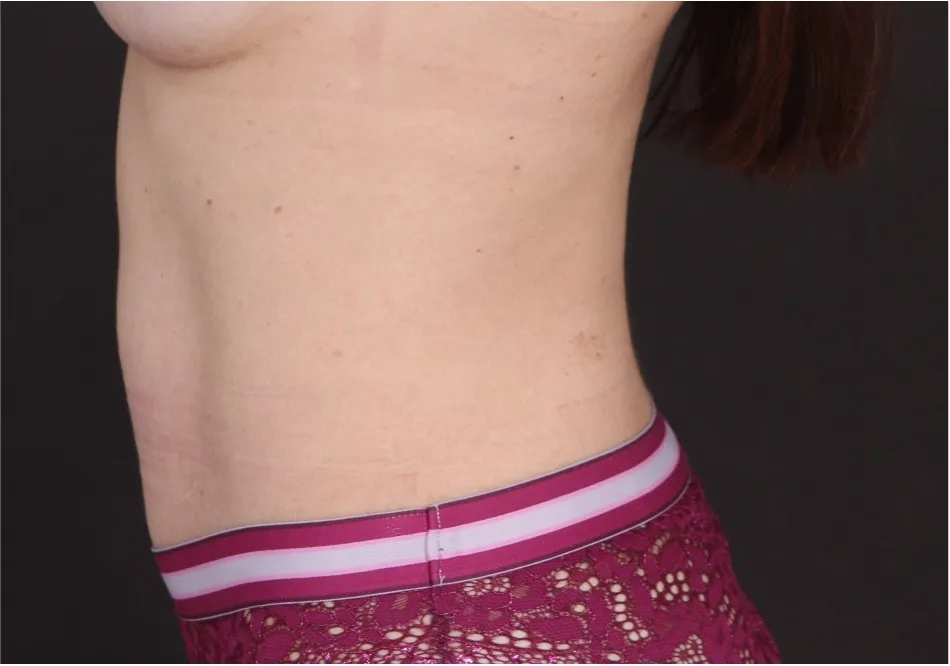
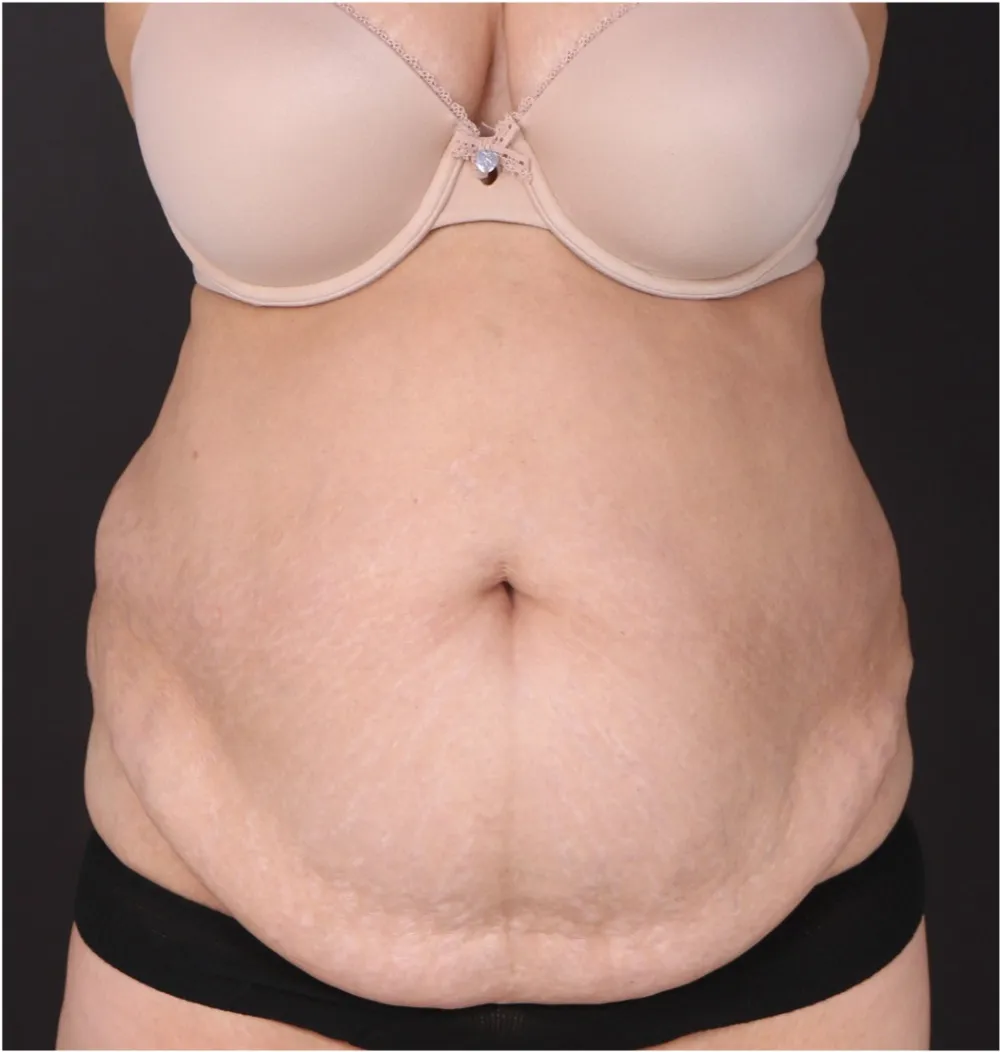
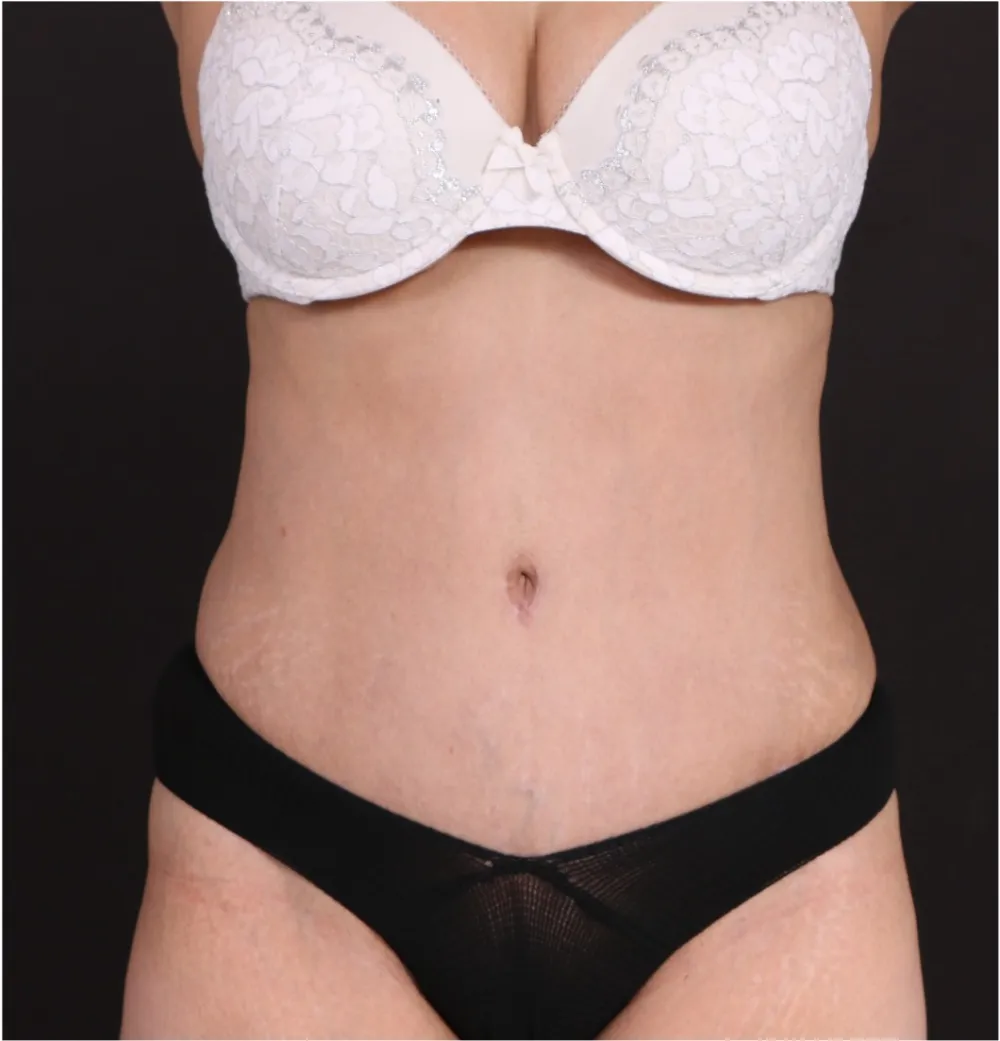
There is no guarantee that the result will be the same, as it might vary from one individual to another. Surgery carries risks, including bleeding, infection, scarring and anesthesia risks, which Dr. Sanjay explains in detail at your consultation. Photographs are from Dr. Sanjay’s practice.
How tummy tuck works
A tummy tuck reshapes the abdominal region. Here is a breakdown of the process, which Dr. Sanjay adapts to each patient:
- Consultation and Marking: Before the surgery, Dr. Sanjay will evaluate your abdominal area and discuss your desired outcomes. He will mark the areas where incisions will be made.
- Anesthesia: The procedure is performed under general anesthesia to make sure your comfort.
- Incision and Skin Removal: A horizontal incision is made just above the pubic area. The length of the incision depends on the amount of excess skin to be removed. Through this incision, excess skin and fat are removed, and the abdominal muscles are tightened.
- Closing the Incision: After removing excess tissue and tightening the muscles, the remaining skin is carefully repositioned and sutured, resulting in a firmer and flatter abdomen.
Who is a suitable candidate for a tummy tuck?
A tummy tuck suits adults whose main concern is loose abdominal skin, a bulge caused by separated abdominal muscles (diastasis recti), or both, and who have not been able to correct it with diet and exercise. It is usually considered when:
- Your weight is stable and you are in good general health.
- You have loose or hanging skin on the abdomen after pregnancy or major weight loss.
- Your abdominal muscles have separated and the stomach still bulges when you exercise.
- You have finished having children, or you are willing to wait, because a later pregnancy can stretch the abdomen again.
A tummy tuck is not a weight-loss treatment, and it is not suitable for everyone. If your concern is mainly fat rather than loose skin, liposuction may be enough. Dr. Sanjay checks your skin, your muscles and your health, and tells you which option fits.
Mini tummy tuck or full tummy tuck?
The two operations treat different areas, so the right choice depends on where your loose skin and muscle separation are, not on how large the abdomen looks.
- Mini tummy tuck: treats loose skin and fat below the belly button through a shorter scar, and the belly button usually stays where it is. It suits a lower-belly pouch with firm skin above the navel. Read more about mini abdominoplasty.
- Full tummy tuck (abdominoplasty): treats the whole abdomen, above and below the belly button. The muscles can be repaired along their full length, the excess skin is removed and the belly button is repositioned. It suits loose skin above and below the navel, or muscle separation.
When liposuction is added to shape the waist and flanks, the combined operation is called lipoabdominoplasty. For a detailed side-by-side comparison, see mini tummy tuck vs full tummy tuck.
How Much Does a Tummy Tuck Cost in Dubai?
The cost of a tummy tuck in Dubai depends on your individual surgical plan, so there is no single price that applies to everyone. The pricing, what it includes and whether you need a hospital stay are all set by that plan. These are the main factors that shape the cost:
- Type of procedure: A mini tummy tuck treats a smaller area than a full tummy tuck, and an extended tummy tuck goes further round the body. The extent of surgery affects the operating time and the total cost.
- Surgical complexity and planning: Muscle repair, the amount of loose skin, previous surgery or scars, and whether liposuction is combined all change the plan.
- Anesthesia: The type of anesthesia and the anesthesia team’s fees are part of the total.
- Facility costs: The operating theatre, nursing care and any hospital stay depend on the facility and on your surgical plan.
- Postoperative care: A compression garment, medication, dressings and follow-up visits are needed during healing, and depending on the plan they may be included in the cost or charged separately.
When you compare costs, ask what is and is not included: the surgeon’s fee, anesthesia, the facility and any hospital stay, the garment and follow-up care. An accurate figure is possible only after an individual consultation, once Dr. Sanjay has examined you and your surgical plan is agreed. Request a consultation to discuss your own case.
Preparation Before Surgery
Proper preparation makes sure a safe and successful tummy tuck. Here are the essential steps to take:
- Medical Assessment: A full medical evaluation is needed to determine if you’re a suitable candidate. This may include blood tests and a review of your medical history.
- Medications: You may be advised to stop taking certain medications, such as blood thinners, in the weeks leading up to surgery.
- Healthy Lifestyle: Staying hydrated and eating a balanced diet support healing and recovery.
- Fasting: If general anesthesia is being used, fasting for several hours before the surgery is needed. Dr. Sanjay will provide specific instructions on this.
What Happens Inside the Surgery Room?
During the tummy tuck procedure, the following steps will be performed:
- Anesthesia: General anesthesia will be administered to make sure your comfort throughout the surgery.
- Incision: A horizontal incision is made just above the pubic hairline. The length of the incision depends on the amount of excess skin to be removed.
- Fat Removal and Muscle Tightening: Excess fat is removed through liposuction if needed, and the abdominal muscles are tightened to create a flatter, firmer midsection.
- Skin Removal: The skin is pulled down, and any excess is trimmed away. The belly button may be repositioned during the process.
- Closing the Incision: After the procedure, the incisions are closed with sutures, and a compression garment is applied to support the healing process.
Aftercare and Safety Guidelines
Proper aftercare is essential for a smooth recovery and optimal results. Follow these guidelines after your tummy tuck:
- Wear Compression Garments: You’ll need to wear a compression garment for several weeks to reduce swelling and help the body adapt to its new contours.
- Avoid Strenuous Activities: It’s important to avoid heavy lifting, strenuous exercise, and other activities that strain the abdominal muscles for at least four to six weeks.
- Medications: Pain relief and, where needed, antibiotics are prescribed to manage discomfort and reduce the risk of infection. Follow Dr. Sanjay’s instructions carefully.
- Post-Op Care: Keep the incision sites clean and dry, and follow any dressing change instructions provided by your surgeon. Attend follow-up appointments to monitor your healing progress.
Recovery Period
The recovery period for a tummy tuck is gradual, and results improve as swelling decreases. Here’s what to expect:
- First Week: You may experience swelling, bruising, and discomfort. Most patients are encouraged to walk lightly to promote circulation.
- Two to Four Weeks: Light activities can resume during this period, but you should continue to avoid strenuous tasks. Swelling will start to subside, and you’ll begin to see the first results.
- Three to Six Months: Full recovery takes time, and the final results of your tummy tuck will become more visible as your body adjusts, and swelling completely subsides.
Scars, results and limitations
A tummy tuck leaves a scar. It is placed low, usually along the bikini line, so that most underwear and swimwear cover it, and it fades gradually over many months. How visible it is depends on your skin and your healing, and a full tummy tuck scar is longer than a mini tummy tuck scar. A scar around the belly button is also usual after a full tummy tuck.
A tummy tuck reshapes the abdomen, but it has limits. It does not treat fat in other areas, it is not a substitute for weight loss, and no surgeon can promise a specific appearance. Swelling takes months to settle, and the result lasts best when your weight stays stable. Pregnancy or large weight changes after surgery can alter it. If you also want to slim the waist, flanks or back, ask about full-body liposuction as part of the plan.
Risks and complications
A tummy tuck is major surgery, and every operation carries risks. They include bleeding, a collection of fluid under the skin (seroma), infection, delayed wound healing, scarring, changes in skin sensation, uneven contours, blood clots in the legs (deep vein thrombosis) and reactions to anesthesia. An unstable weight and some medical conditions raise these risks.
To reduce them, Dr. Sanjay reviews your medical history and blood tests beforehand, plans clot prevention, encourages early walking and follows your recovery closely. He explains the risks that apply to you in detail before you decide.
Tummy tuck FAQs
How much does a tummy tuck cost in Dubai?
The cost depends on your individual surgical plan: the type of tummy tuck (mini or full), how complex your case is, the anesthesia, the facility and any hospital stay, and the follow-up care you need. An accurate figure is possible only after a consultation and examination.
What is the difference between a mini and a full tummy tuck?
A mini tummy tuck treats the area below the belly button through a shorter scar. A full tummy tuck treats the whole abdomen, can repair the muscles along their full length and repositions the belly button.
Am I a suitable candidate for abdominoplasty?
Abdominoplasty suits people with a stable weight and loose abdominal skin or separated muscles that diet and exercise have not corrected. This is confirmed by an in-person examination.
Can a tummy tuck be combined with liposuction?
Yes, in suitable patients. Liposuction of the waist and flanks can be combined with a tummy tuck to refine the contour. How much can be done in one operation is decided at your consultation.
How long does a tummy tuck last?
Results can last for many years when your weight stays stable and you keep a healthy lifestyle. Pregnancy and large weight changes can alter the result, and the scar fades but does not disappear.
Is a tummy tuck painful?
The procedure is performed under general anesthesia, so you won’t feel any pain during surgery. Post-operative discomfort is normal but can be managed with prescribed pain relievers.
How long is the recovery period for a tummy tuck?
Recovery time varies by patient, but most people can resume light activities within two weeks and return to more strenuous tasks after six weeks.
Will I have visible scars after a tummy tuck?
While the incisions do leave scars, they are placed in a discreet location, usually below the bikini line. Over time, scars tend to fade and become less noticeable.
Where to start
Every plan begins with a private conversation about your goals, your health and what to expect. Contact us to arrange your consultation with Dr. Sanjay.
Further reading
The American Society of Plastic Surgeons publishes independent, general information about this procedure: read the overview.